Market Opportunity
ANYWHERE HEAT
CONSTRAINS CAPABILITY.
Six high-growth sectors with $2.3T combined market cap by 2030 — all thermally constrained.
$2.3T
Combined sector market cap by 2030
Sum of 6 target verticals
$934B
AI data center market by 2030
MarketsandMarkets, 2025
31.6%
CAGR — AI data center market
MarketsandMarkets, 2025
Photonic Cooling is not a single-market technology. The same physics that removes the thermal ceiling in an AI data center applies equally to a satellite payload, a directed energy system, and a grid-scale inverter. Below are the six sectors where thermal limits are the binding constraint on performance, reliability, and scale — and where Photonic Cooling changes what is possible.
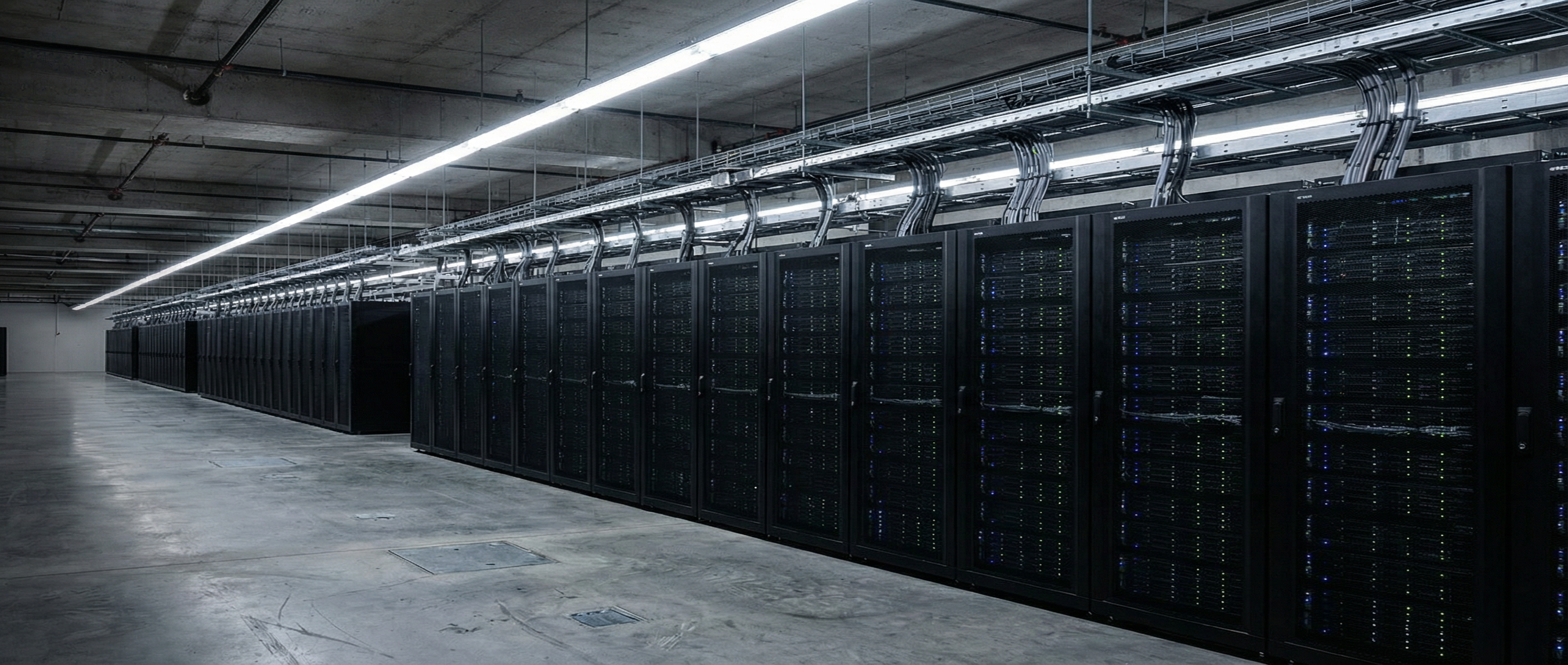
AI accelerators are hitting a thermal wall. Hotspot heat flux at the transistor level has grown 10× in five years — and no fluid-based system can follow. Rack power densities in next-generation AI infrastructure are approaching 1 MW, four times the real-world ceiling of liquid cooling.
1,000×
Greater cooling density than liquid systems — enabling chip designs that were previously thermally impossible
Partner With Us →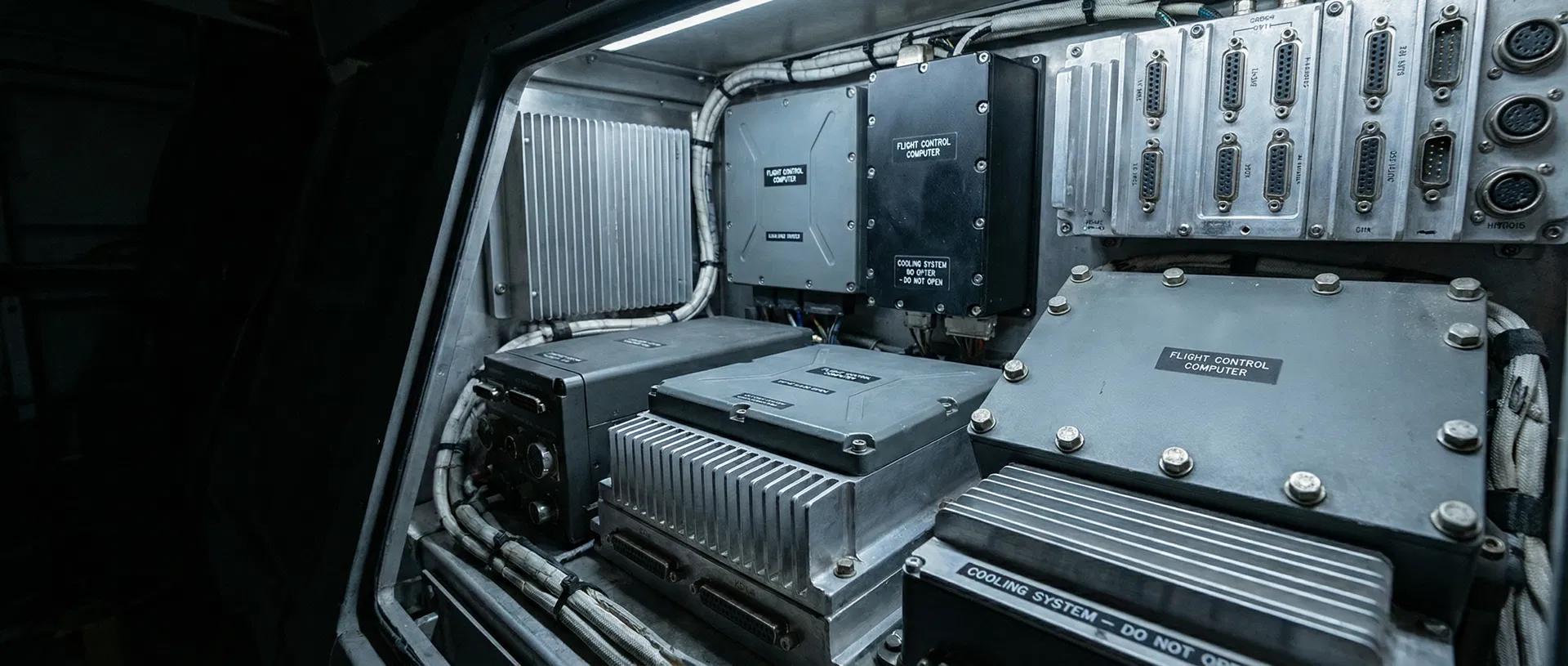
Defense electronics and aerospace systems operate in environments where liquid cooling is not an option. Zero gravity. Extreme temperatures. Confined form factors. Vibration. Radiation. Every one of these conditions is incompatible with fluid-based cooling infrastructure — and a single leak in a mission-critical system is not a recoverable failure.
ZERO
Moving parts, fluids, or maintenance cycles — solid-state cooling for mission-critical environments
Partner With Us →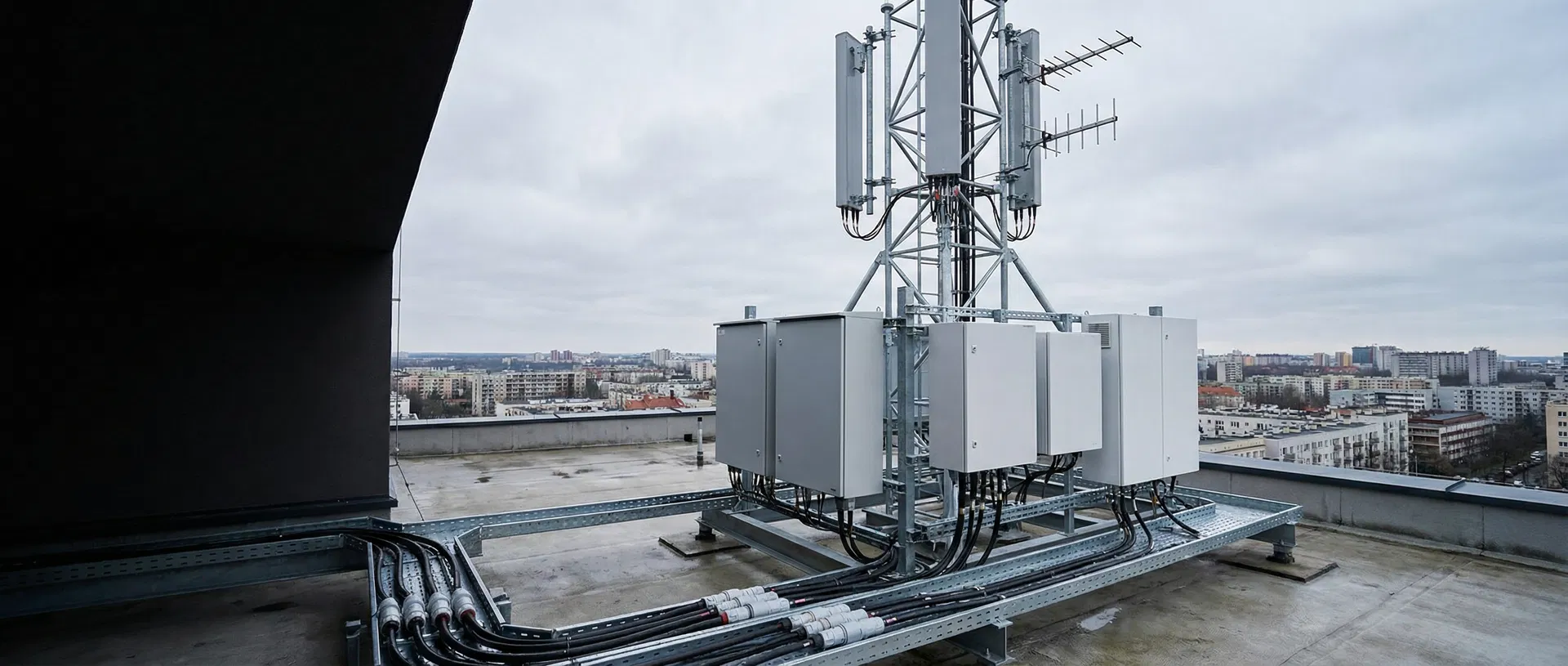
5G/6G RF amplifiers and edge AI nodes are thermally throttled by their own heat — and liquid cooling is not an option in the field. Autonomous systems, robots, drones, and edge computing nodes require high-performance AI inference in compact, power-constrained form factors where fluid infrastructure is simply incompatible.
NO LIQUID
Required — enabling AI inference and RF amplification in environments where fluid cooling is impossible
Partner With Us →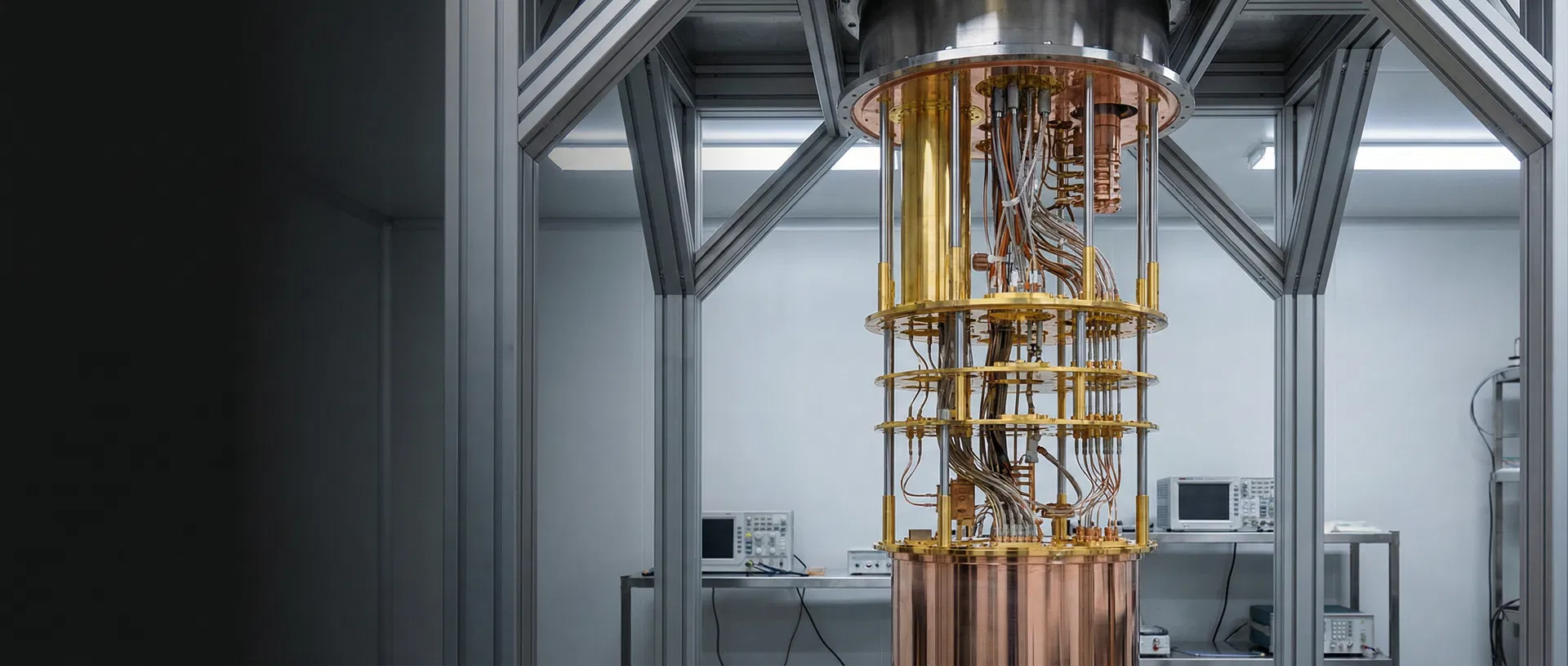
Quantum computing requires thermal management at millikelvin temperatures — a regime where conventional cooling systems are bulky, power-hungry, and difficult to scale. The cryogenic infrastructure required to maintain qubit coherence today is a significant barrier to quantum scale-up outside of specialized laboratory environments.
mK
Millikelvin operating temperatures achievable — without the bulk and cost of conventional cryogenic infrastructure
Partner With Us →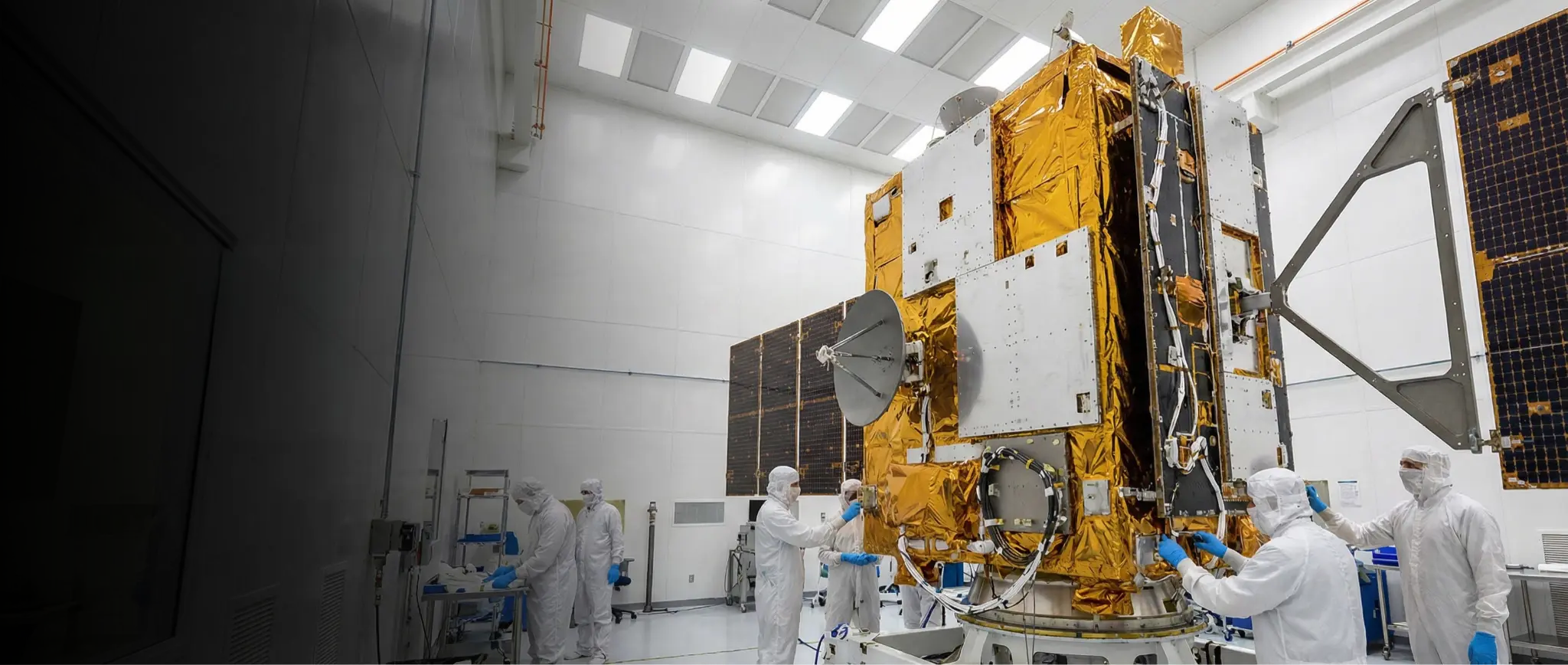
In the vacuum of space, conventional cooling fails entirely — no convection, no fluid loops, no maintenance. Satellite payloads must manage heat through radiation alone, severely constraining power density and performance. Conventional solutions add mass, complexity, and failure risk to systems where none of those are acceptable.
SOLID-STATE
No fluid loops, no moving parts — built for the vacuum environments where conventional cooling cannot operate
Partner With Us →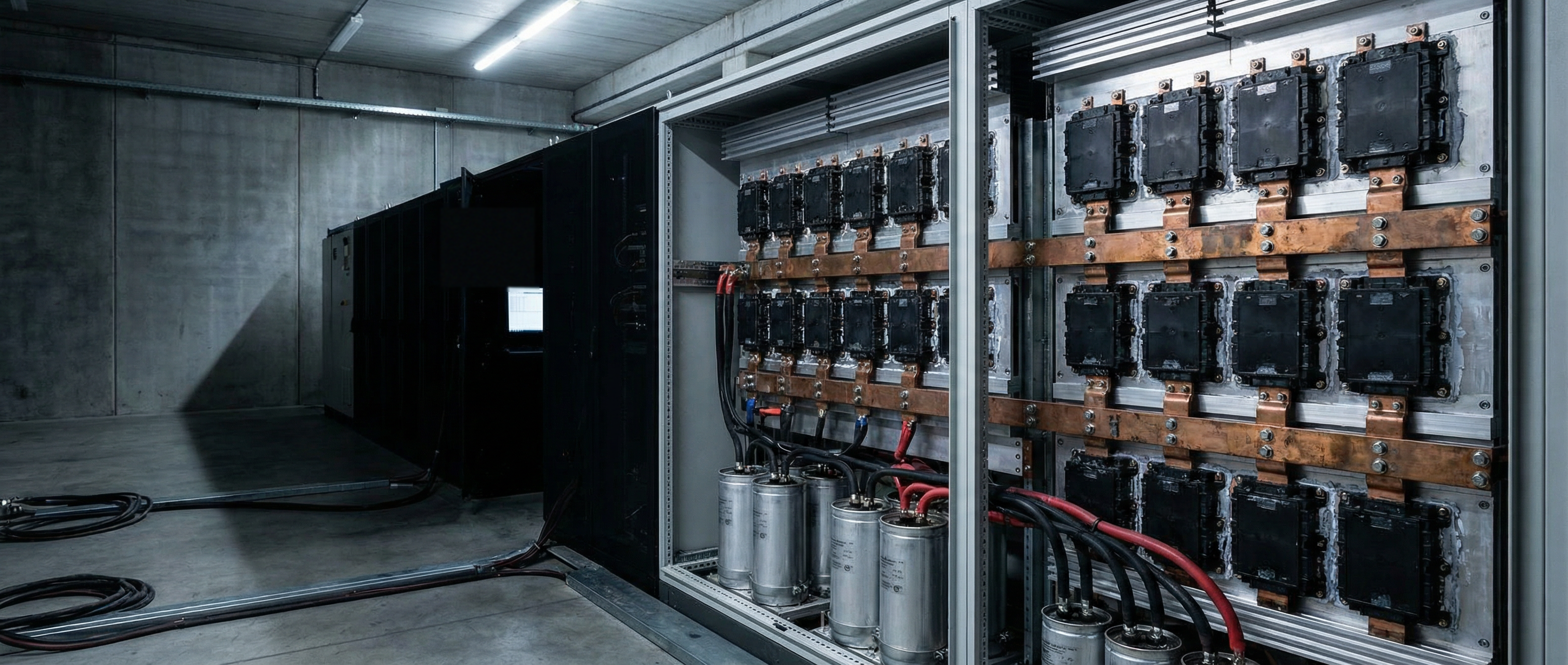
Thermal stress is the leading cause of failure in EV inverters, battery management systems, and grid-scale power conversion. Heat is the primary driver of failure rates and the primary limit on power density in every major power electronics application — and conventional cooling adds weight, complexity, and maintenance overhead.
#1
Cause of power electronics failure is thermal stress — Photonic Cooling addresses it at the source
Partner With Us →Early Access Program
BE FIRST TO DEPLOY
PHOTONIC COOLING.
We are selecting a limited number of early access partners across our target verticals. Early Access partners get priority access to pilot deployments, co-development opportunities, and preferred pricing.
Apply for Early Access →We are looking for partners in:
- Server OEMs and ODMs
- Hyperscalers and cloud providers
- Chip manufacturers and system integrators
- Defense and aerospace system integrators
- HPC and national laboratory operators